

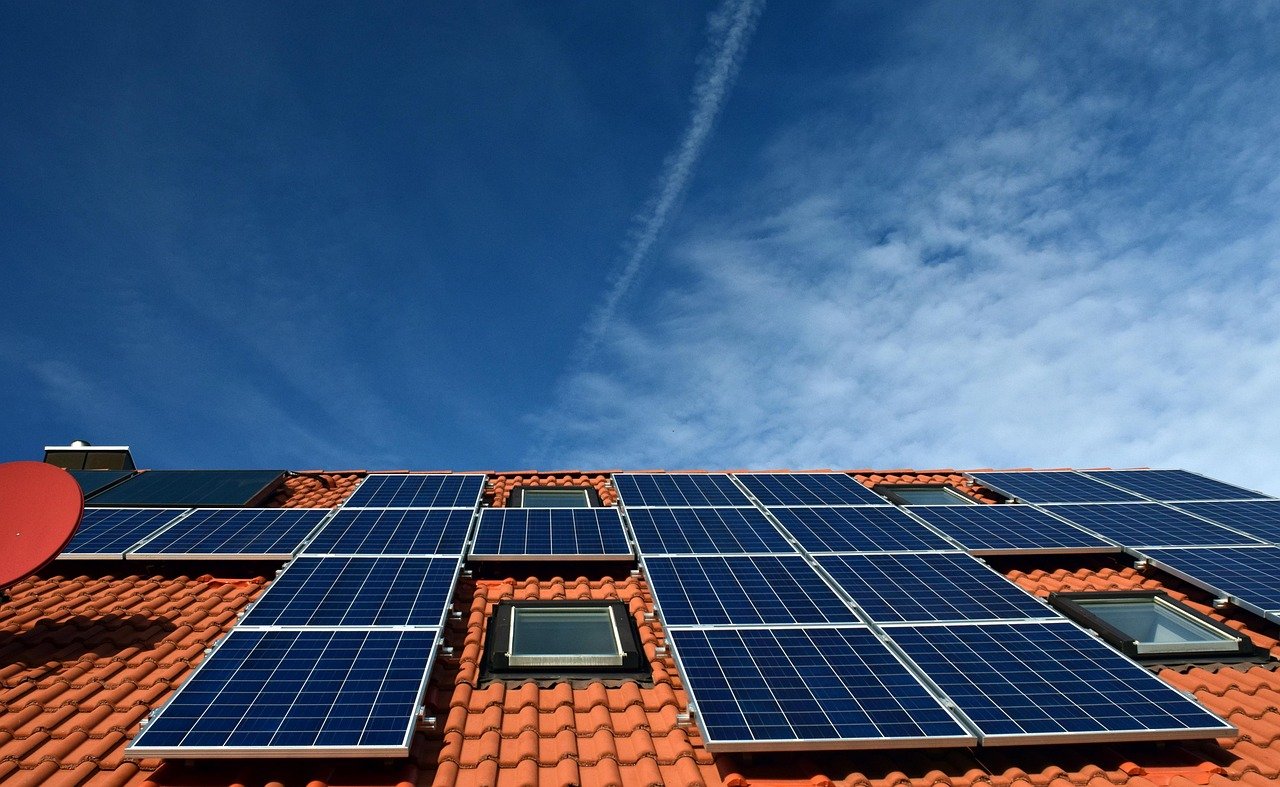
As sustainable construction continues to shape modern architecture, innovative building materials are becoming essential for improving energy efficiency and reducing environmental impact. Among these advancements, Solar glass panels have emerged as a practical solution that combines renewable energy generation with contemporary architectural design. Unlike conventional building glass, these panels capture sunlight and convert it into electricity while continuing to function as windows, skylights, or façade elements.
The ability to produce clean energy without sacrificing natural light or visual appeal makes Solar glass panels an increasingly attractive choice for residential, commercial, and institutional buildings. They represent a significant step toward creating structures that are both energy-efficient and aesthetically pleasing.
What Are Solar Glass Panels?
Solar glass panels are specially designed glass units that incorporate photovoltaic technology within the glazing. These panels generate electricity by converting sunlight into usable energy while still allowing varying levels of natural daylight to enter the building.
Unlike traditional rooftop solar installations, Solar glass panels become part of the building envelope, serving both architectural and energy-producing functions. This dual-purpose design maximizes the use of available surfaces without requiring additional installation space.
Key Features
Some of the defining characteristics of solar glass panels include:
- Integrated photovoltaic technology
- Natural daylight transmission
- Clean and modern appearance
- Renewable electricity generation
- Versatile architectural applications
These features make Solar glass panels suitable for projects focused on sustainability and innovative design.
How Solar Glass Panels Work
The technology behind solar glass panels is based on photovoltaic cells embedded within or laminated between layers of glass. When sunlight strikes these cells, it generates direct current (DC) electricity, which can then be converted into alternating current (AC) for use within the building.
Energy Generation
The photovoltaic cells capture solar radiation and convert it into renewable electrical energy throughout the day.
Daylighting
Despite producing electricity, Solar glass panels continue to admit natural light, creating comfortable indoor environments while reducing the need for artificial lighting.
This combination of functionality makes them an efficient building material for modern construction.
Benefits of Solar Glass Panels
The growing popularity of Solar glass panels is driven by the wide range of advantages they offer.
Improved Energy Efficiency
Buildings equipped with solar glass can generate a portion of their own electricity, reducing dependence on conventional energy sources and supporting sustainable operation.
Modern Architectural Appeal
Solar glass integrates seamlessly into building designs, creating sleek façades and elegant glazing systems without altering the overall appearance.
Better Space Utilization
Instead of occupying additional rooftop areas, Solar glass panels utilize windows, skylights, curtain walls, and façades that already form part of the building.
Reduced Environmental Impact
Generating renewable electricity directly from sunlight helps lower greenhouse gas emissions and contributes to environmentally responsible construction.
Common Applications
One of the greatest strengths of Solar glass panels is their versatility across different building types.
Curtain Wall Systems
Commercial buildings frequently use photovoltaic glazing to create energy-producing exterior walls with a modern appearance.
Skylights
Solar skylights allow natural daylight into interior spaces while generating clean electricity.
Building Facades
Vertical glazing systems can contribute to renewable energy production while enhancing architectural aesthetics.
Windows
Photovoltaic windows combine transparency with energy generation, making efficient use of available glass surfaces.
Canopies and Walkways
Covered outdoor areas benefit from weather protection while producing renewable electricity throughout the day.
Design Considerations
Successful implementation of solar glass requires thoughtful planning during the design phase.
Building Orientation
Proper orientation maximizes sunlight exposure and improves electricity generation throughout the year.
Climate Conditions
Local weather, seasonal sunlight, and shading influence the performance of Solar glass panels and should be evaluated before installation.
Transparency Requirements
Different projects require varying levels of light transmission, depending on the building’s intended use and occupant comfort.
Structural Integration
Architects and engineers should ensure that photovoltaic glazing integrates smoothly with the overall building envelope.
Environmental Advantages
Buildings are responsible for a significant portion of global energy consumption. Solar glass panels help reduce this impact by incorporating renewable energy production directly into the structure.
Environmental benefits include:
- Lower carbon emissions
- Reduced dependence on fossil fuels
- Increased renewable energy generation
- Improved building sustainability
- Support for green building practices
These advantages contribute to more environmentally responsible urban development.
Future Trends in Solar Glass Panels
Advancements in photovoltaic technology continue to improve the efficiency, transparency, and durability of solar glass. Researchers are developing lighter materials, enhanced energy conversion capabilities, and greater design flexibility that will further expand architectural possibilities.
As cities move toward sustainable development and net-zero energy buildings, Solar glass panels are expected to become an increasingly common feature in modern construction. Their ability to generate clean energy while maintaining elegant building designs makes them an important innovation for the future of architecture.
Conclusion
Modern buildings require solutions that combine energy efficiency with attractive design. Solar glass panels provide exactly that by transforming ordinary glass surfaces into renewable energy generators without compromising natural light or aesthetics.
Whether installed in windows, skylights, curtain walls, or façades, Solar glass panels help reduce energy consumption, maximize available building surfaces, and support sustainable construction. As technology continues to advance, these innovative glazing systems will play an increasingly important role in creating smarter, greener, and more energy-efficient buildings.