

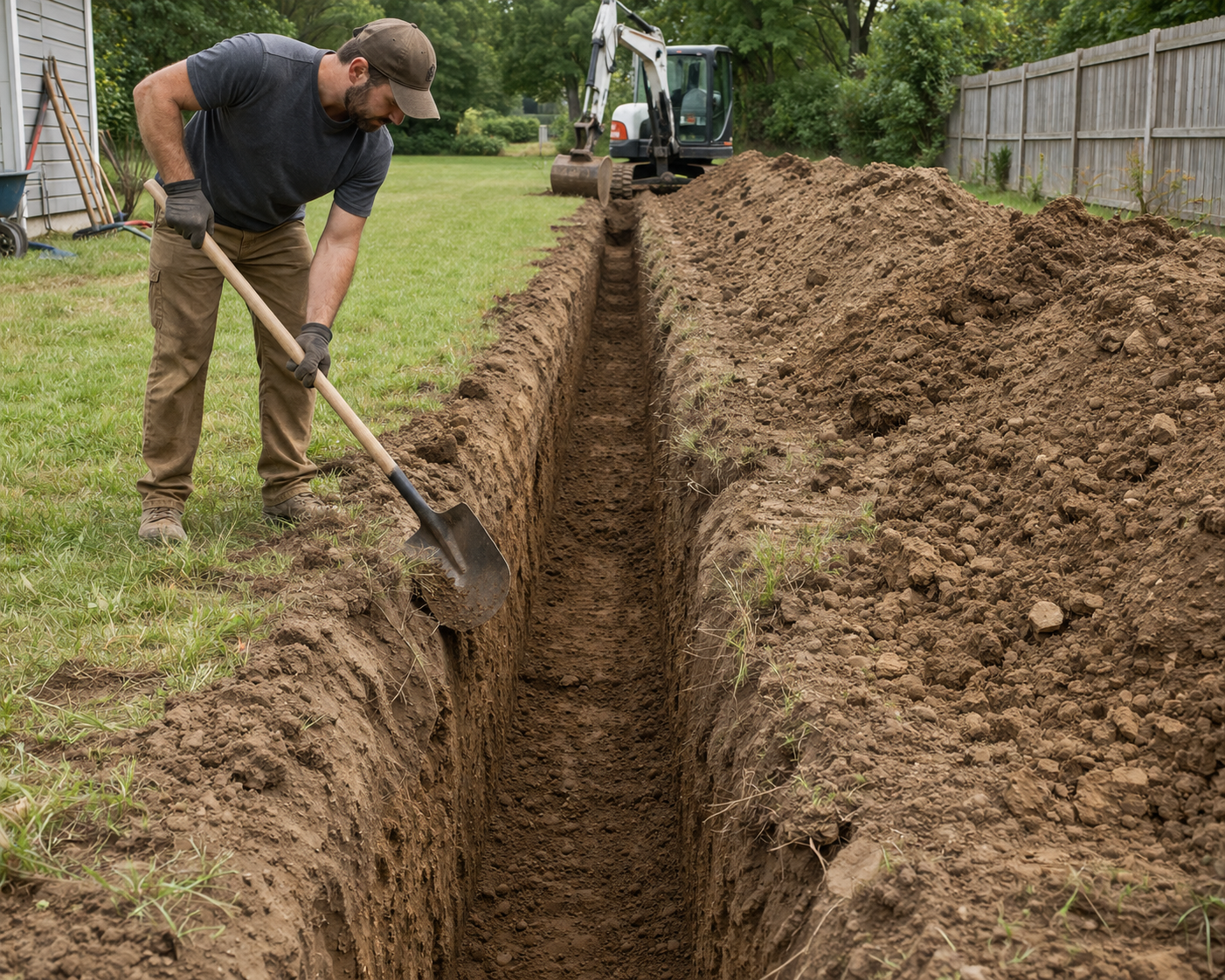
Every construction or landscaping project starts with careful preparation, and one of the most common tasks is to dig trench for underground installations. Whether the goal is to install drainage pipes, utility lines, irrigation systems, or communication cables, a properly excavated trench provides the stability and protection these systems require. Choosing the right techniques before you dig trenches can improve project efficiency while reducing the likelihood of future maintenance issues.
Excavation is more than simply removing soil. It requires thoughtful planning, accurate measurements, safe working practices, and an understanding of site conditions. By following proven methods, property owners and contractors can complete projects with greater confidence and achieve long-lasting results.
This guide explains the essential steps to dig trench effectively, covering planning, equipment, safety, common challenges, and maintenance.
Why It Is Important to Dig Trench Properly
Every trench plays an important role in supporting underground infrastructure. Poor excavation can lead to unstable soil, drainage problems, or damage to installed utilities.
Some key benefits of learning to dig trench correctly include:
- Improved underground utility protection
- Better drainage performance
- Reduced soil movement
- Lower long-term maintenance costs
- Safer construction sites
Proper excavation helps ensure that underground systems continue functioning efficiently for years.
Planning Before You Dig Trench
Define the Purpose
Before excavation begins, determine exactly why the trench is needed. The purpose will influence the depth, width, and overall layout.
Common uses include:
- Drainage systems
- Water supply lines
- Electrical conduits
- Irrigation piping
- Communication cables
Understanding the project requirements allows you to dig trench more accurately and efficiently.
Evaluate Ground Conditions
A site assessment helps identify potential challenges before excavation starts.
Inspect the area for:
- Rocky soil
- Existing underground utilities
- Surface slopes
- Tree roots
- Areas with poor drainage
Careful evaluation helps prevent unexpected delays while you dig trench.
Selecting the Right Excavation Tools
Using suitable equipment improves productivity and accuracy.
Hand Tools
Small residential projects often require manual digging equipment.
Useful tools include:
- Trenching shovels
- Spades
- Digging bars
- Mattocks
These tools provide excellent control in confined spaces.
Mechanical Equipment
Larger projects benefit from excavation machinery.
Common options include:
- Mini excavators
- Compact excavators
- Backhoes
- Mechanical trenchers
Choosing the right equipment allows crews to dig trench more quickly while maintaining consistent trench dimensions.
Safety Tips for Trench Excavation
Safety should always be a priority during excavation work.
Wear Appropriate Protective Equipment
Workers should use:
- Hard hats
- Protective gloves
- Steel-toe boots
- Eye protection
- High-visibility clothing
Inspect Soil Stability
Loose or saturated soil may require additional precautions before excavation continues.
Maintain Safe Access
Every trench should include safe entry and exit points for workers.
Monitor Weather Conditions
Heavy rainfall can weaken trench walls and create unsafe working conditions.
Proper planning before you dig trench reduces risks and improves workplace safety.
Common Challenges During Excavation
Every excavation project presents unique conditions.
Compact Soil
Hard-packed ground slows excavation and may require mechanical assistance.
Rock Formations
Large rocks increase excavation time and require specialized equipment.
Underground Utilities
Hidden utility lines demand careful excavation to prevent accidental damage.
Water Accumulation
Groundwater or rainwater reduces trench stability and may delay progress.
Preparing for these challenges makes it easier to dig trench without unnecessary interruptions.
Best Practices to Dig Trench Efficiently
Mark the Trench Route
Clearly defined excavation lines improve accuracy and reduce unnecessary digging.
Check Measurements Regularly
Frequent measurement ensures the trench remains consistent throughout the project.
Remove Excavated Soil Safely
Keep excavated material away from trench edges to improve stability and maintain a safer work area.
Work in Sections
Excavating one section at a time allows for better control and easier inspection.
These practices help professionals dig trench while maintaining quality and efficiency.
Environmental Considerations
Responsible excavation helps protect the surrounding environment.
Good environmental practices include:
- Preventing soil erosion
- Protecting nearby vegetation
- Managing excavated material responsibly
- Minimizing unnecessary ground disturbance
- Controlling water runoff
These measures support sustainable site preparation while preserving natural landscapes.
Maintaining Trench Performance
After excavation and installation are complete, routine inspections help preserve trench performance.
Maintenance recommendations include:
- Monitor for soil settlement.
- Repair erosion promptly.
- Inspect drainage after heavy rainfall.
- Ensure proper backfill compaction.
- Maintain surrounding ground grading.
Consistent maintenance helps underground systems perform reliably over time.
Conclusion
Learning how to dig trench correctly is an essential part of successful construction, landscaping, and utility projects. Careful planning, accurate measurements, proper equipment selection, and safe excavation techniques all contribute to a stable and long-lasting result.
Whether preparing land for drainage improvements, irrigation systems, or underground utilities, taking the time to dig trench properly minimizes future problems and improves project efficiency. By following best practices and maintaining the completed excavation, property owners and contractors can create dependable underground infrastructure that continues to perform for many years.