

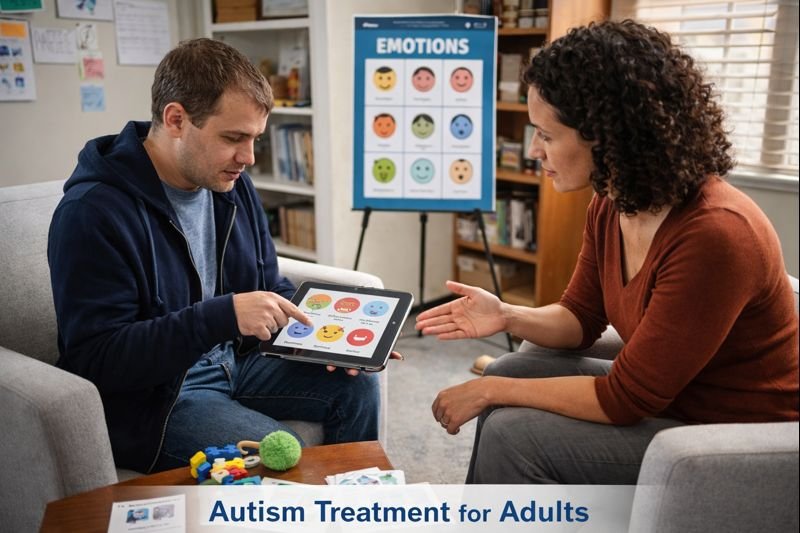
Autism is a lifelong neurodevelopmental condition that affects how people communicate, interact, and experience the world around them. While autism is often discussed in relation to children, many individuals continue to seek guidance and support throughout adulthood. Autism treatment adults focuses on improving daily living skills, emotional well-being, communication, and independence rather than trying to change an individual’s identity.
Every autistic adult has different strengths, goals, and support needs. The most effective approaches recognize these differences and provide personalized strategies that help individuals lead fulfilling, independent, and meaningful lives.
Why Autism Treatment Remains Important in Adulthood
Although autism is diagnosed early for many individuals, adulthood introduces new responsibilities such as employment, higher education, relationships, and independent living. These life changes can create challenges that benefit from structured support.
Quality autism treatment adults emphasizes practical skill development while respecting individual preferences and abilities. The goal is to help adults navigate everyday situations with greater confidence and success.
Benefits of Ongoing Support
Adults who receive appropriate support may experience improvements in several areas, including:
- Communication skills
- Emotional regulation
- Independent living
- Employment readiness
- Social confidence
- Daily organization
These improvements often contribute to greater overall well-being and personal satisfaction.
Developing Practical Life Skills
Independence is built through learning and consistent practice. Many adults benefit from strengthening essential daily living skills.
Household Management
Learning to prepare meals, organize living spaces, manage laundry, and maintain routines encourages greater self-sufficiency.
Financial Skills
Budgeting, saving money, paying bills, and tracking expenses are valuable abilities that promote long-term independence.
Time Management
Using calendars, reminders, and structured schedules helps adults stay organized and reduce unnecessary stress.
Many autism treatment adults approaches include these practical skills because they directly improve everyday life.
Communication and Social Development
Communication looks different for every autistic adult. Some individuals seek support to improve workplace interactions, while others want greater confidence in social settings.
Conversation Skills
Learning active listening, asking questions, and expressing thoughts clearly can improve personal and professional relationships.
Understanding Social Situations
Practicing social expectations, recognizing nonverbal communication, and understanding personal boundaries helps reduce uncertainty during interactions.
Building Relationships
Participating in community activities, hobbies, or group discussions provides opportunities to develop friendships and meaningful connections.
These communication strategies are an important part of autism treatment adults, helping individuals feel more comfortable in a variety of settings.
Supporting Emotional Well-Being
Mental and emotional health are essential components of adult life.
Managing Stress
Predictable routines, relaxation exercises, and healthy coping strategies help reduce anxiety and improve emotional balance.
Recognizing Personal Triggers
Understanding situations that create stress allows individuals to prepare effective responses before challenges become overwhelming.
Developing Self-Advocacy
Learning to communicate personal needs and preferences encourages confidence and independence.
Many autism treatment adults plans include emotional wellness because mental health significantly influences everyday functioning.
Employment and Career Preparation
Meaningful employment provides financial independence while promoting personal growth.
Resume and Interview Skills
Adults can benefit from learning how to present their strengths, prepare professional resumes, and practice interview conversations.
Workplace Organization
Breaking larger tasks into manageable steps, maintaining schedules, and improving communication contribute to workplace success.
Professional Growth
Continuous learning and skill development create additional career opportunities over time.
Employment preparation remains an important component of many autism treatment adults strategies because meaningful work often improves confidence and quality of life.
The Role of Family and Community
Support from family members, friends, and community networks can reinforce personal development.
Helpful approaches include:
Encouraging Independence
Allow adults to complete tasks independently while offering guidance when needed.
Respecting Individual Differences
Understanding sensory preferences and communication styles creates supportive environments.
Celebrating Progress
Recognizing both small and large achievements encourages continued motivation.
Strong personal support networks often increase the effectiveness of autism treatment adults by reinforcing positive habits outside structured learning environments.
Creating Personalized Goals
Success looks different for every autistic adult. Some individuals may prioritize employment, while others focus on relationships, education, or independent living.
Effective goal planning includes:
- Identifying personal strengths
- Setting realistic milestones
- Tracking progress regularly
- Adjusting goals as needs change
- Celebrating achievements along the way
Personalized planning allows autism treatment adults to remain flexible and responsive to individual aspirations.
Looking Toward the Future
Autism does not prevent adults from achieving meaningful goals, developing valuable skills, or enjoying fulfilling lives. Continuous learning, supportive relationships, and practical strategies create opportunities for growth at every stage of adulthood.
Rather than focusing solely on challenges, many adults discover that understanding their strengths leads to greater confidence and independence.
Conclusion
Every autistic adult deserves opportunities to build practical skills, strengthen communication, and pursue personal goals in ways that respect their individuality. Autism treatment adults provides guidance that supports independence, emotional well-being, employment readiness, and meaningful community participation.
By focusing on personalized support, lifelong learning, and everyday success, autism treatment adults empowers individuals to navigate adulthood with greater confidence and resilience. With patience, consistent practice, and the right resources, autistic adults can continue creating rewarding, independent, and fulfilling lives while embracing their unique strengths.