

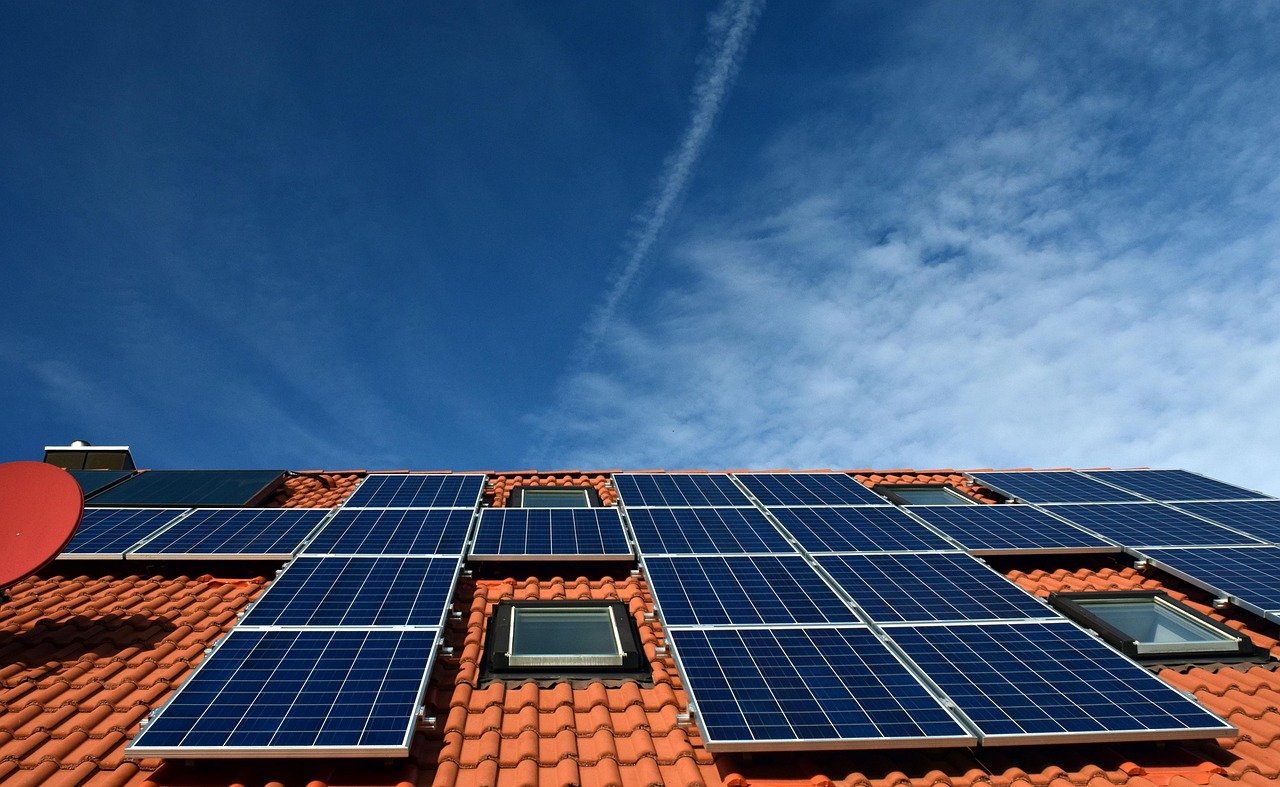
Building Integrated Photovoltaic Panels: Driving Sustainable Construction Forward
Building integrated photovoltaic panels have become an important innovation in sustainable architecture. As the demand for environmentally responsible buildings continues to grow, designers are looking for smarter ways to generate renewable energy without compromising aesthetics. Building integrated photovoltaic panels provide an effective solution by combining construction materials with solar power generation.
Rather than adding conventional solar panels after a building is complete, these systems become part of the structure itself, creating buildings that are both functional and energy efficient.
Why Building Integrated Photovoltaic Panels Matter
Modern construction increasingly focuses on reducing environmental impact while improving operational efficiency. Building integrated photovoltaic panels help achieve both goals by allowing roofs, facades, skylights, and exterior walls to generate electricity.
This integrated approach makes renewable energy a natural part of the building rather than an additional feature.
Supporting Sustainable Design
Building integrated photovoltaic panels contribute to energy-conscious architecture by replacing conventional materials with multifunctional components. This reduces unnecessary material use while improving overall building performance.
Major Advantages
Clean Energy Production
Building integrated photovoltaic panels convert sunlight into usable electricity throughout the day, helping buildings reduce reliance on traditional energy sources.
Seamless Appearance
Unlike conventional rooftop solar arrays, building integrated photovoltaic panels blend into the architectural design, creating a clean and modern exterior.
Multiple Functional Roles
These systems serve as roofing materials, facade panels, skylights, or shading devices while simultaneously producing renewable electricity.
Long-Term Value
Because building integrated photovoltaic panels perform multiple functions, they contribute to efficient building design and support sustainable operation over many years.
Common Installation Areas
Building integrated photovoltaic panels can be incorporated into:
- Roof systems
- Exterior facades
- Curtain walls
- Glass skylights
- Entrance canopies
- Architectural shading systems
This flexibility allows architects to maximize solar exposure while maintaining design consistency.
Planning for Successful Integration
Early planning helps maximize the benefits of building integrated photovoltaic panels.
Building Orientation
Designers evaluate sunlight exposure to identify surfaces capable of generating the greatest amount of renewable energy.
Structural Coordination
Since these panels replace traditional construction materials, engineers ensure compatibility with the overall building structure.
Material Selection
Different panel styles, colors, and transparency levels allow projects to balance energy performance with architectural goals.
Environmental Contributions
Building integrated photovoltaic panels support lower carbon emissions by generating renewable electricity directly from sunlight. They also encourage more efficient use of building materials and help reduce long-term environmental impact.
These systems play an important role in sustainable construction strategies focused on energy efficiency and responsible resource management.
Future Developments
Technological improvements continue to increase the efficiency and versatility of building integrated photovoltaic panels. Advances in lightweight materials, smart building integration, and improved photovoltaic performance are expanding design possibilities.
As green building practices become more widespread, integrated photovoltaic systems will likely become standard features in many construction projects.
Conclusion
Building integrated photovoltaic panels offer a practical and visually appealing solution for renewable energy generation in modern buildings. Their ability to combine architectural functionality with clean energy production makes them an essential part of sustainable construction. As innovation continues, building integrated photovoltaic panels will help shape the next generation of efficient, environmentally responsible buildings.